Jake Paul Is Here To Stay And It's Time To Take Him Seriously
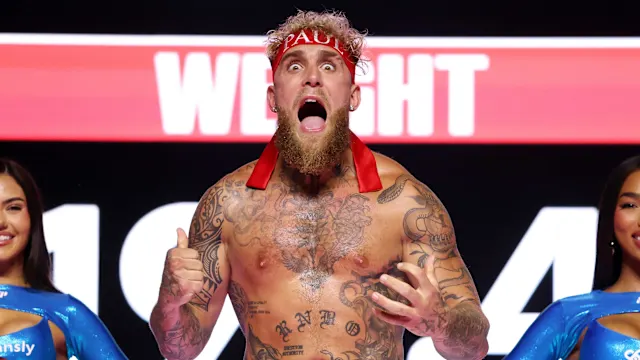
Five years ago, the boxing world was introduced to Jake Paul—a YouTuber with no amateur background, no pedigree, and an ambitious claim: he wanted to become a world champion. He was dismissed as a sideshow, mocked for calling himself a boxer, and criticized for handpicking opponents with little to no boxing credibility. Early matchups against fellow influencers and aging MMA fighters did little to change public opinion. And when he finally faced a legitimate professional in Tommy Fury—arguably a “C-level” boxer—he lost. That was supposed to be the end of the Jake Paul experiment.
But here’s the thing about Jake Paul that many people have missed: he’s taken boxing seriously from the start—and he’s not going anywhere.
Behind the scenes, Paul has built more than just a résumé of celebrity matchups. He’s established MVP Promotions, committed to daily training with elite coaches, and surrounded himself with a professional infrastructure that reflects long-term ambitions. While critics laughed, he built.
The turning point wasn’t just a win in the ring—it was a strategic win outside of it: securing a fight with Mike Tyson, a cultural icon. Yes, the fight raised eyebrows due to Tyson’s age (58) and diminished physical abilities. But the bout drew over 60 million viewers on Netflix. That level of exposure is virtually unheard of in modern boxing. Pairing that event with the historic co-main event between Amanda Serrano and Katie Taylor brought unprecedented visibility to women’s boxing—something the sport desperately needed.
Then came the fight against Julio César Chávez Jr., a former world champion and son of a legend. It’s a bout designed not just to test Paul, but to pique the interest of both casual fans and purists.
Jake Paul isn’t just building a boxing career—he’s building a brand. And in a sport where surviving as either a fighter or a promoter is incredibly difficult, Paul is managing to do both. His 12–1 (7 KOs) record may not impress on paper, but it mirrors the standard trajectory of most rising professionals: 10 to 15 fights against beatable opponents to build experience and marketability. The difference? Paul leveraged his preexisting fame to headline cards and sell out arenas against fellow stars—earning millions per fight before his third professional bout. Every fighter dreams of that model; Paul executed it.
The reality is simple: Jake Paul is deeply invested in the sport. He’s not only bringing mainstream attention back to boxing but doing so by promoting rising talent and championing women’s boxing. He’s giving the younger generation a reason to tune in—something boxing hasn’t done effectively in years.
How far can he go? It’s hard to say. Is he going to beat Zurdo Ramírez or Anthony Joshua? Probably not. But millions will watch him try. He’ll sell the fight, build a strong undercard, and put on a show—every single time. That’s all boxing fans really want: entertainment, effort, and excitement.
Love him or hate him, Jake Paul delivers. And it’s time the boxing world starts taking him seriously.
Share this story
News
-
Tyson Fury Tune Up Bout Announced
Thu, Jul 02 2026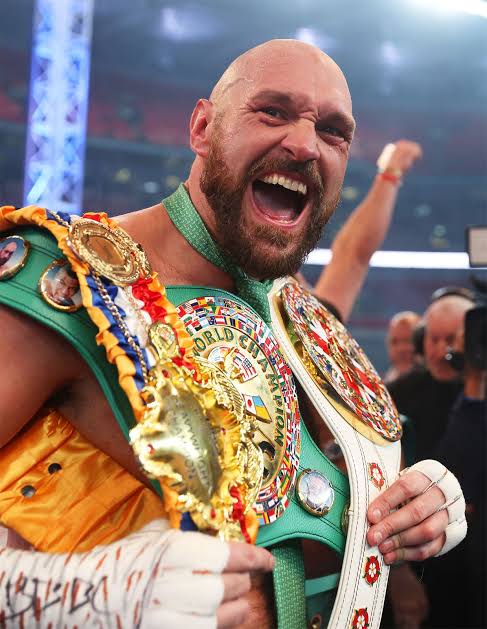
-

-
Boots Ennis Survives Scare, Crushes Zayas With TKO
Sun, Jun 28 2026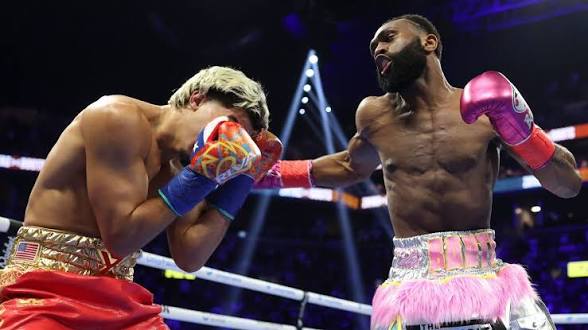
-
WBA Orders Floyd Schofield vs Lucas Bahdi
Sat, Jun 27 2026
-
Oleksandr Usyk Vacates Titles Amid Final Fight
Sat, Jun 27 2026
-
Zayas vs. Ennis Preview: Two Unbeaten Champions, One Title, and a 154-Pound Division About to Be Defined
Fri, Jun 26 2026
-
Top 5 Undefeated World Boxing Champions in History: Were the Odds Always in Their Favor?
Fri, Jun 26 2026