How Netflix and DAZN are redefining boxing

Boxing has always been a spectator sport, attracting fans from around the world. But in 2025, the way fans are consuming the sport is changing. Streaming platforms like Netflix and DAZN are shaking up the industry, pushing out traditional pay-per-view and introducing a more accessible way to get involved.
Streaming platforms are providing new ways for players to interact with boxing. This isn't just changing the way fans are tuning in and watching the sport, but it also extends to activities like sports betting too. Streaming platforms make it easier to access sports and platforms like BMR Bookmakersreview making it easier to find sites to place wagers on.
Netflix's knockout move into boxing
Netflix once seemed an unlikely contender in the sports streaming game. But after dipping its toes into live combat sports with Jake Paul vs. Mike Tyson, the company doubled down. The all-women Amanda Serrano vs. Katie Taylor card at Madison Square Garden, hailed as a landmark for equality in the sport, brought mainstream attention and proved Netflix could deliver boxing events with production quality to match legacy broadcasters.
Now comes the biggest punch of all: Canelo Alvarez vs Terence Crawford. This event is set for September 13, 2025. It will be streamed globally on Netflix with no extra PPV fee. For fans, this means there are no $80 price tags to enjoy their favorite sports live. For the sport, it's a revolution. By bypassing the PPV model, Netflix is democratizing access and ensuring that casual fans and die-hards alike are able to watch without breaking the bank.
PPV on the ropes
The pay-per-view model has been the backbone of boxing economics, but the cracks are starting to show. Streaming has started to "squeeze" PPV out of relevance. Younger audiences are far more accustomed to subscription-based content than one-off purchases. Netflix, Paramount+ and even ESPN+ are proving that offering marquee fights to existing subscribers builds goodwill, encourages loyalty and captures a much wider audience than PPV could ever.
For fighters and promoters, this shift may require new ways of structuring purses and broadcast deals. Yet, in the long term, broader accessibility could mean bigger fanbases, increased sponsorships and higher revenue across multiple streams, even if PPV dollars shrink.
Boxing's digital powerhouse
While Netflix is grabbing headlines, DAZN continues to serve as boxing's most dedicated streaming platform. With multi-year exclusive deals with Matchroom Boxing and partnerships with Queensberry promotions, DAZN is pumping out dozens of fight nights each year. From heavyweight showcases to up-and-coming prospects, DAZN's global reach ensures boxing remains consistently accessible for fans around the world.
DAZN's advantage lies not only in volume, but in community. The platform has cultivated a reputation as the "home of boxing" for subscribers, positioning itself as an everyday hub rather than just a venue for the occasional mega-event.
A broadcaster shake-up
Traditional broadcasters are taking note. Showtime, once a cornerstone of boxing coverage, exited the sport entirely. This left digital platforms to fill the vacuum. In the UK, Boxxer's deal with the BBC means fights will now be available on free-to-air television and streamed on iPlayer, a hybrid model that balances accessibility with broadcast prestige. These changes reflect a broader reality: the fight for boxing audiences is increasingly digital-first.
What this means for fans and bettors
For fans, streaming represents freedom. That means no more overpriced PPV, no more scrambling to find obscure channels, just one-click access to the fights that matter. For the betting community, including those who follow odds and analysis, the rise of streaming is equally significant. More accessible broadcasts mean larger betting markets, more in-play wagering opportunities and expanded coverage of undercard talent who might otherwise go unseen.
Share this story
News
-
Tyson Fury Tune Up Bout Announced
Thu, Jul 02 2026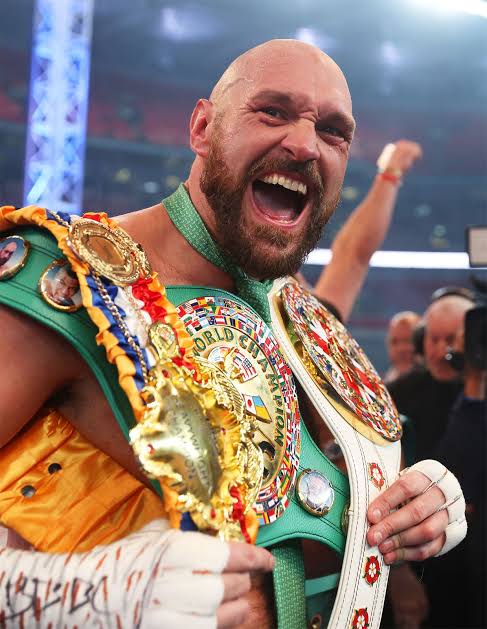
-

-
Boots Ennis Survives Scare, Crushes Zayas With TKO
Sun, Jun 28 2026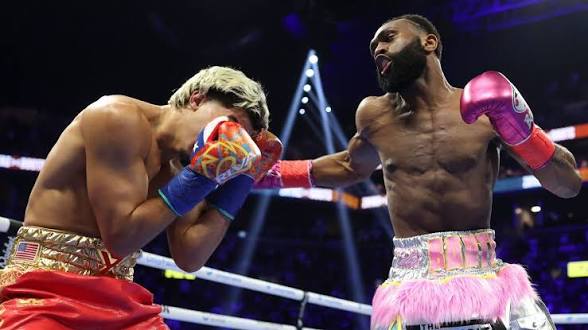
-
WBA Orders Floyd Schofield vs Lucas Bahdi
Sat, Jun 27 2026
-
Oleksandr Usyk Vacates Titles Amid Final Fight
Sat, Jun 27 2026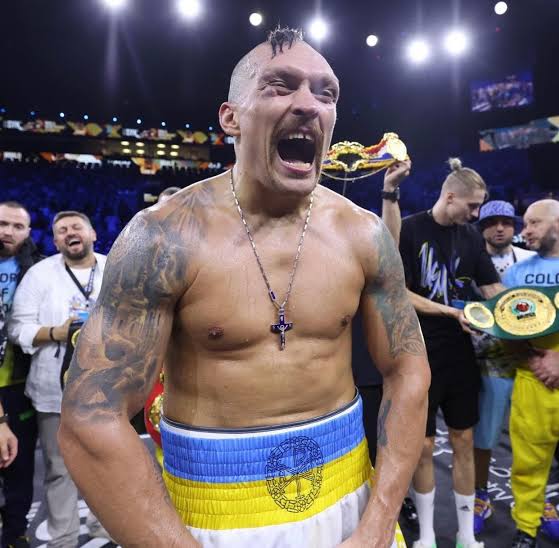
-
Zayas vs. Ennis Preview: Two Unbeaten Champions, One Title, and a 154-Pound Division About to Be Defined
Fri, Jun 26 2026
-
Top 5 Undefeated World Boxing Champions in History: Were the Odds Always in Their Favor?
Fri, Jun 26 2026