Fighters Who Have Died in the Ring

Boxing is one of the most popular combat sports in the world. With a global audience of approximately 2.5 billion people, it has well and truly earned its place in the mainstream, attracting fans across all continents.
From the legendary matches of Mike Tyson and Floyd Mayweather to the current roster of rising stars, the sport has managed to maintain its appeal for generations. The sport and its fans should be indebted to these fighters because the art of boxing isn’t easy.
Unlike any other sport, this is a dangerous and grueling pursuit that demands not only physical strength but also incredible mental fortitude. At times, too, the sacrifices have been far too great. We have lost some incredible fighters over the years, all of whom gave everything to their craft.
The world of boxing has seen a number of tragedies, with each one of them reminding us that boxing is not just a sport, but a way of life, and the toll it takes can be severe. We thought we would take a moment to remember these athletes, listing out some of the greatest boxers who died in the ring, and why their legacy will live on forever.
Frankie Campbell
Frankie Campbell is one of the most tragic but memorable figures in the history of boxing, killed during a boxing match against Maxie Rosenbloom in 1930.
His untimely death undoubtedly shocked the boxing world, but while his career was brief, he left behind an enduring legacy, helping to bring awareness to the risks of brain injuries in the ring and leading to early calls for better medical care for fighters and the implementation of more stringent regulations.
Today, his story remains a big part of the conversation surrounding fighter safety, with his name always being remembered when discussing the importance of improving protocols for the health and well-being of our athletes.
Jimmy Doyle
Jimmy Doyle was tragically the first boxer to die in a world championship bout since the 1800s. Doyle was a welterweight boxer who played a total of 53 fights and won 43, but in 1947, he lost in an 8th-round KO against Sugar Ray Robinson and died a few hours later. In a book festival appearance by Robinson’s biographer, Will Haygood, it was revealed that Doyle had been pushing himself to fight to buy his mother a house. After his death, Robinson himself carried on that mission, giving the earnings of his next four fights to Doyle’s mother.
Davey Moore
Davey Moore is another tragic figure in the history of boxing, whose death deeply impacted the sport, partially because it happened at such a young age. Moore was a talented and promising 29-year-old, a rising star in the featherweight division known for his speed, precision, and awe-inspiring technical skills.
He gained national attention after winning the WBA featherweight title, but during a fight against Sugar Ramos, he injured himself in the 10th round and soon fell into a coma from which he never emerged. This event left a deep void in the boxing community, with his passing leading to calls for more effective regulations regarding concussion protocols, as well as better post-fight medical evaluations.
Moore’s legacy also lives on through the impact he made on the sport itself. Though his life was cut short, he is remembered as one of the talents who represented the best qualities of boxing right to the final round.
Kim Duk-koo
Another legendary figure in the world of boxing was Kim Duk-koo, a South Korean boxer who died after fighting in a world championship match against Ray Mancini. Turning professional in 1978, he went on to win the Orient and Pacific Boxing Federation lightweight title, and became the World Boxing Association’s number 1 contender, carrying an impressive 17-1-1 record into the Mancini fight.
Tragically, minutes after the fight was over, Duk-koo collapsed into a coma and passed away five days later. As a result, however, the rules of boxing were changed, with the standing eight count – allowing a knockdown to be called even if the boxer is not down – being imposed, and new rules regarding the suspension of license were also initiated.
As well as this, in the years after Duk-koo’s death, new medical procedures were gradually introduced to fighters’ pre-fight checkups, including electrocardiograms, brain tests, and lung checks, all of which work to make the world of boxing far safer than it was prior to that fateful match in 1982.
Young Ali
One last athlete who left a seismic legacy in the sport of boxing is Young Ali, who tragically fell in the sixth round against Irishman Barry McGuigan. Years later, on his crowning night in 1985, McGuigan would go on to dedicate his triumph to his past fallen rival, demonstrating just how much of an impact the late fighter had on him and the fighting world in general.
It’s another example of just how brutal this sport can be, and while we remember the greats like Muhammad Ali and Roy Jones Jr, we should never forget the athletes who fell in the ring. As the years go on, we will hopefully get even more safety precautions put in place, ensuring that, although the sport will always be dangerous, as much as possible is being done to protect our boxers, and nothing as tragic will ever happen again.
Share this story
News
-
Tyson Fury Tune Up Bout Announced
Thu, Jul 02 2026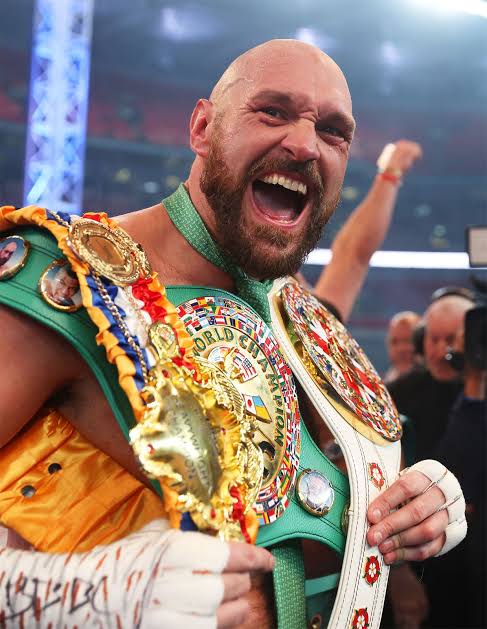
-

-
Boots Ennis Survives Scare, Crushes Zayas With TKO
Sun, Jun 28 2026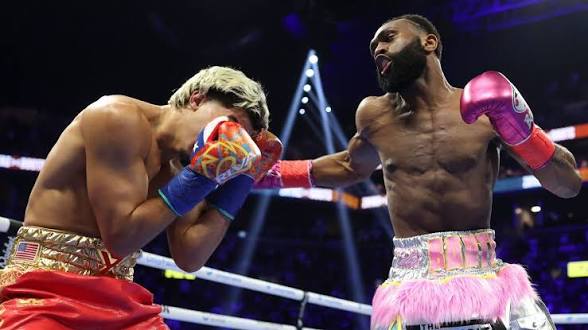
-
WBA Orders Floyd Schofield vs Lucas Bahdi
Sat, Jun 27 2026
-
Oleksandr Usyk Vacates Titles Amid Final Fight
Sat, Jun 27 2026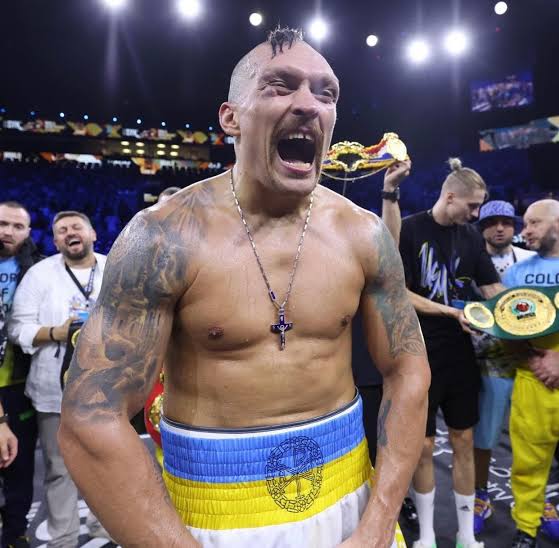
-
Zayas vs. Ennis Preview: Two Unbeaten Champions, One Title, and a 154-Pound Division About to Be Defined
Fri, Jun 26 2026
-
Top 5 Undefeated World Boxing Champions in History: Were the Odds Always in Their Favor?
Fri, Jun 26 2026