Fury Vs Joshua In 2026 Still Feels Close

Boxing loves a good “almost.” A mega fight can feel one press conference away for months, sometimes years, and the public still stays hooked. The latest wave of noise has the same shape: Fury vs Joshua in 2026 is back on the horizon, with serious names floating timelines and locations, but nothing that counts as the final stamp online casino Trustly.
Around moments like this, the internet becomes a messy bazaar of headlines, clips, and ads. Random search phrases get dragged into the same scroll, including 1xBet download, even when the real issue is much simpler: official confirmation matters because contracts, venues, broadcasters, and licensing details decide whether a rumor becomes a date on a poster.
The Rumor Engine And The Few Signals That Actually Matter
Recent reporting and promoter talk have suggested a 2026 target is being discussed in the background, often framed as a major event linked to big-money promotion cycles. Locations get mentioned, timelines get teased, and fans get fed just enough to keep the debate alive.
There is also the Fury variable. Retirement statements and possible returns have become part of the wider storyline, which is exactly why the market treats any hint carefully until paperwork shows up. For a fight this size, a confident quote is still not the same as a contract.
What Has Been Said So Far
A few points repeat across the most consistent coverage, even though details can shift week to week. A clean way to read the situation is to separate “direction” from “confirmation.”
Before the list below, one reminder helps: a planned target is not a signed, scheduled fight.
- Date window talk: late 2026 gets mentioned more often than early 2026
-
Event framing: the matchup is described as a headline-level show (not a normal title defense),
drawing attention comparable to onlayn kazino Azerbaycan in terms of public interest
- Public promoter hints: willingness gets signaled, but terms still get emphasized
- Outside power brokers: big event backers get linked to the idea, raising the scale and complexity
After the list, the picture looks real enough to discuss seriously, but still not clean enough to treat as booked travel.
Why Everyone Keeps Waiting For The Official Word
The first reason is simple: both sides need a reason to sign now, not later. A fight of this size is less about “wanting it” and more about agreeing on money splits, rematch clauses, training timelines, and medical windows. Add broadcast rights, sponsorship categories, and venue guarantees, and the paperwork becomes its own sport.
The second reason is sequencing. Talks around heavyweight planning often include the possibility of other bouts happening first, and that affects timing and risk. One injury, one cut, one negotiation delay, and the calendar slides.
The third reason is credibility management. Retirement talk, comeback talk, and negotiation talk are common in modern boxing, so the safest position for fans is “wait for the announcement, then react.” That caution is not cynicism. That caution is memory.
What A Real Announcement Usually Includes
A proper confirmation does not arrive as a vague quote. It arrives as a package that leaves little room for interpretation.
Before the list below, it is worth noticing how official boxing news is designed to remove doubt.
- Venue lock: a named stadium or named arena with a confirmed booking
- Date and commission: a fixed date plus the commission and rule set
- Broadcast clarity: a declared platform, region rules, and press info
- Contract structure: rematch terms, glove size, round count, and sanctioning status
- Ticket pathway: an official sales channel with verified partners and timelines
After the list, anything missing starts to look like a teaser, not a commitment.
Why The Hype Refuses To Die
The matchup sits in a cultural sweet spot. It represents unfinished business for heavyweight boxing, and the timing is convenient for promoters who want one massive event that cuts through a crowded sports calendar. Add the attention economy, where every hint becomes content, and the wait turns into a daily ritual.
Until official confirmation lands, the smartest posture is cautious excitement. Watch for concrete details, ignore the loudest clickbait, and treat every “done deal” headline as a draft until contracts, venue, and broadcast information line up in public.
Share this story
News
-
Tyson Fury Tune Up Bout Announced
Thu, Jul 02 2026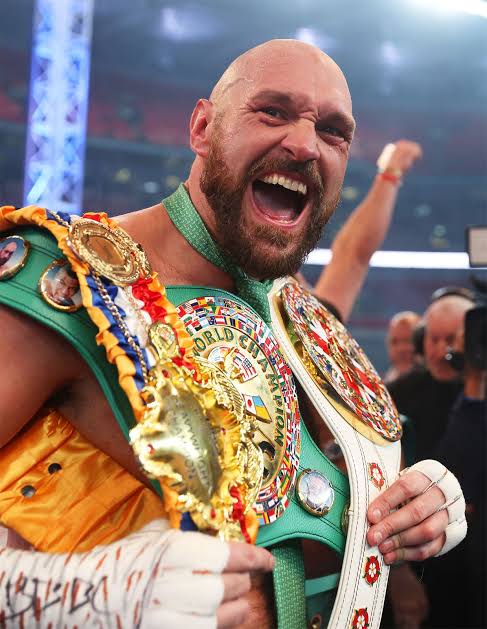
-

-
Boots Ennis Survives Scare, Crushes Zayas With TKO
Sun, Jun 28 2026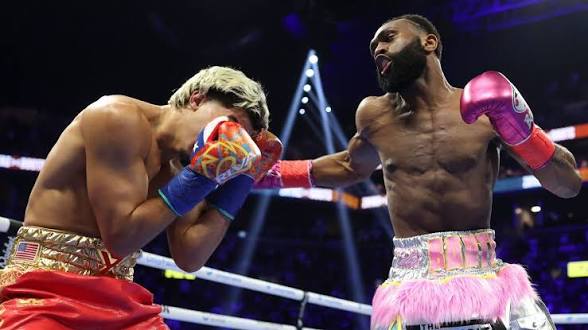
-
WBA Orders Floyd Schofield vs Lucas Bahdi
Sat, Jun 27 2026
-
Oleksandr Usyk Vacates Titles Amid Final Fight
Sat, Jun 27 2026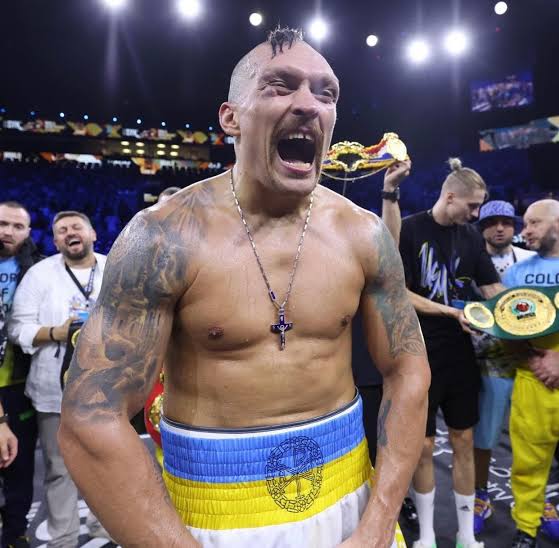
-
Zayas vs. Ennis Preview: Two Unbeaten Champions, One Title, and a 154-Pound Division About to Be Defined
Fri, Jun 26 2026
-
Top 5 Undefeated World Boxing Champions in History: Were the Odds Always in Their Favor?
Fri, Jun 26 2026