Do late replacements actually have an advantage in title fights?
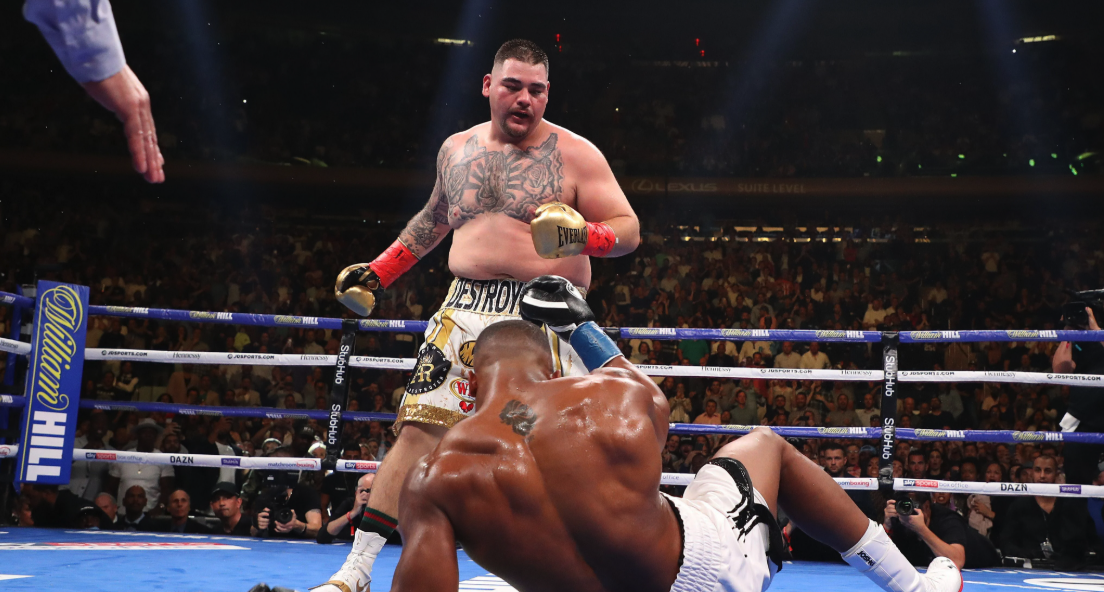
Every boxing fan knows the sinking feeling that comes with a fight week cancellation. The press releases go out, the champion expresses their disappointment, and promoters scramble to salvage the main event. Usually, a replacement is found within 24 to 48 hours, often a contender who was training for a different date or a journeyman looking for a lottery ticket. Yet, history tells a different, more complicated story where the "lamb to the slaughter" often ends up leaving the ring with the belt.
This phenomenon isn't just about luck or a "puncher's chance." It is rooted in the specific psychological and strategic dynamics that occur when a fight card is reshuffled at the eleventh hour. By understanding the mental state of a fighter with nothing to lose and the disruption caused to a champion’s carefully laid plans, we can begin to see why these short-notice bouts are often far more competitive than the tale of the tape suggests.
The most dangerous fighter in the world is often the one who isn't "supposed" to win. They haven't spent months brooding over the magnitude of the event, doing exhausting media tours, or carrying the weight of expectation. They are stepping in on a "freeroll", but a win makes them a legend. This liberation allows them to fight with a looseness and fluidity that the champion, burdened by the obligation to defend their status, often cannot match.
For months, the champion has visualized a specific opponent, rehearsing sequences and building mental triggers for that specific challenge. When the opponent changes, the adrenaline dump can be severe. The champion goes from preparing for a defining legacy fight to facing a "trap game" against an opponent the public deems unworthy. If the champion struggles, the crowd turns; if they win easily, they get no credit.
Boxing is a game of muscle memory, and training camps are designed to program that memory for a specific set of variables. A champion preparing for a tall, rangy southpaw spends hundreds of rounds sparring with partners who mimic that exact stature and stance. If that opponent is replaced on three days' notice by a short, aggressive orthodox brawler, eight weeks of specific neuromuscular programming can suddenly become a liability.
At the elite level, strategies are not just ideas; they are physical habits ingrained through repetition. Asking a fighter to "just switch it up" is akin to asking a tennis player to switch hands before the Wimbledon final. They are effectively going into the fight blind, relying on general ability rather than specific preparation, which levels the playing field significantly.
When a main event changes, the reaction in the betting markets is immediate and often irrational. Initially, the odds tend to be heavily skewed toward the champion, reflecting their status and the perceived lack of preparation of the challenger. However, sharp bettors often recognize the variables discussed above, the tactical mismatch, and the psychological pressure, and look to capitalize on the inflated odds of the underdog.
Because the lines are set hastily, they often lack the efficiency of a market that has matured over several weeks. Experienced handicappers monitor these shifts closely, knowing that the "smart money" often fades the public's assumption that the champion will cruise to an easy victory. Bettors looking to back the replacement often seek out an anonymous sportsbook signup to quickly access the markets and lock in the most favorable odds before the lines adjust to the new reality.
The volatility continues right up until the opening bell. Rumors about the champion’s frustration or the replacement’s surprisingly good condition can swing the odds significantly in the final hours. Unlike a standard fight week where the market settles, a late-replacement fight sees wild fluctuations as information trickles out.
History is littered with examples of late replacements who shocked the world, fundamentally altering the trajectory of the sport. The most cited example in modern times is Andy Ruiz Jr. stepping in to face Anthony Joshua. Ruiz, exploited the exact tactical gaps Joshua wasn't prepared for. Joshua had spent his camp preparing for a completely different style, and when Ruiz applied pressure and traded in the pocket, the champion’s programmed responses failed him. These moments serve as a reminder that in heavyweight boxing specifically, the "preparation gap" can be bridged by a single punch.
These upsets often have a domino effect on the sport's schedule and the legacy of the fighters involved. The scheduling volatility we saw last year, which impacted some of 2025’s best fights, scrambled the division's rankings and forced promoters to tear up their long-term plans.
Furthermore, these replacement victories often signal the end of dominant runs that seemed unstoppable. The psychological damage inflicted on a champion who loses to a "stand-in" can be career-altering. These upsets are often the catalyst for breaking long-standing records, similar to the boxing streaks that could end in 2025 which were analyzed extensively by pundits before the calendar turned. When a replacement fighter wins, they don't just take a belt; they shatter the aura of invincibility that the champion relied upon, proving that in the squared circle, timing and mindset often outweigh the length of a training camp.
Share this story
News
-
Manny Pacquiao Promotions At Turning Stone
Thu, Feb 26 2026
-
Can You Bet on Boxing on FanDuel? Betting Markets and Options
Thu, Feb 26 2026
-
Do late replacements actually have an advantage in title fights?
Thu, Feb 26 2026
-
-
David Benavidez vs Gilberto Ramirez Set For May 2nd
Mon, Feb 23 2026
-
Ryan Garcia Impresses In Dominant Victory
Sun, Feb 22 2026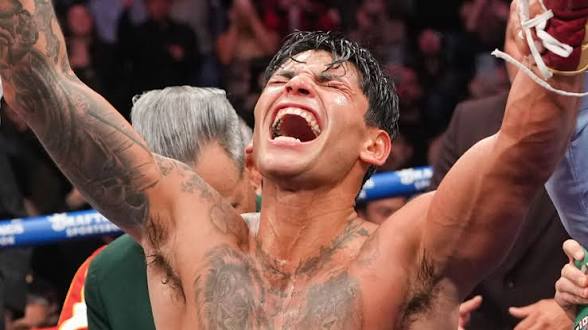
-
Fundora vs Thurman Undercard Announced
Wed, Feb 18 2026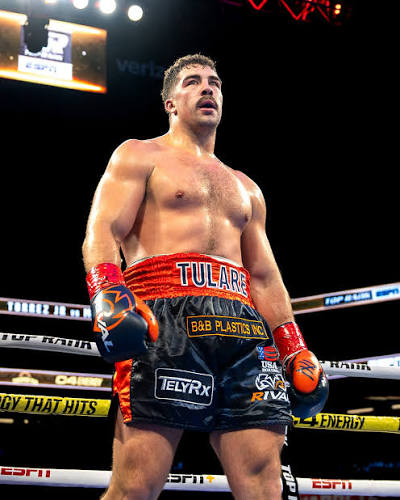
must see
 Thurman vs Fundora
Sat, Mar 28 2026
MGM Grand, Grand Garden Arena, Las Vegas, Nevada, USA
Amazon Prime Video PPV
 Ramirez Sanchez vs Benavidez
Sat, May 02 2026
T-Mobile Arena, Las Vegas, Nevada, USA
8pm ET Amazon Prime PPV