Professional Boxers and Their Impressive Track Records

Few sports demand as much physical dedication, mental fortitude, and raw talent as professional boxing. Boxing has produced athletes whose records speak far louder than any promotional campaign ever could. The sport's history is filled with extraordinary feats, from undefeated fighters to those with remarkable knockout percentages. The difference between a good boxer and a legendary one usually lies in consistency across years or even decades. This article explores the careers, strategies, and discipline behind boxing's greatest win records, with lessons for all fans.
The Most Dominant Professional Boxers and Their Record-Breaking Careers
What Makes a Boxing Record Truly Exceptional
A fighter's record is more than just a series of numbers. It tells a story about the quality of opposition faced, the consistency maintained across weight classes, and the ability to perform under immense pressure. Consider that many top-tier fighters compete for fifteen or twenty years, facing dozens of opponents with different styles, physical advantages, and tactical approaches. Maintaining an unbeaten or near-perfect record across such a long stretch requires far more than punching power. It demands adaptability, discipline in training camps, and a willingness to study opponents thoroughly before stepping between the ropes. Fighters who protect their bodies through smart preparation, including wearing a quality ankle brace during conditioning drills to prevent rolled ankles and sprains, tend to enjoy longer, healthier careers. Footwork drills, roadwork, and sparring sessions put enormous stress on the lower extremities, making joint protection a practical priority for any serious athlete.
The Role of Management and Matchmaking in Building a Record
Behind every great record stands a team that understood timing. Legendary managers like Angelo Dundee and Eddie Futch knew that building a fighter meant selecting opponents who tested specific skills at the right moment. Rushing a prospect into a world title fight too early could derail an entire career. Conversely, keeping a talented boxer fighting below his level for too long bred complacency. The best track records in boxing reflect a careful escalation of difficulty, where each opponent presented a new puzzle. Modern matchmaking has evolved with data analytics, but the fundamental principle remains unchanged: graduated challenges produce durable champions. Promotional events such as the CES Boxing WBC title clash featuring unbeaten prospects and rising stars demonstrate how organizations continue building young talent through progressively tougher matchups on high-profile cards.
How Undefeated Streaks Define a Boxer's Legacy
The Psychology Behind Staying Unbeaten
An undefeated record carries a psychological weight that affects both the fighter who holds it and every opponent who faces him. When a boxer enters the ring with a zero in the loss column, challengers often fight with either reckless desperation or excessive caution, both of which can be exploited. Floyd Mayweather Jr. mastered this dynamic throughout his 50-0 career, using his perfect record as a mental weapon. Opponents frequently abandoned their own game plans simply because the aura of invincibility felt overwhelming. However, the pressure of remaining undefeated also takes a toll on the champion. Every fight becomes a referendum on perfection, and the fear of a single loss can lead to overly conservative strategies. Some purists argue that Mayweather's later career reflected this tendency, though his defensive mastery remains undeniable. The official announcement of Floyd Mayweather versus Manny Pacquiao II at the Sphere has reignited debate about whether legacy fights truly settle pound-for-pound arguments or simply add another chapter to an already remarkable story.
Maintaining an unbeaten streak also requires fighters to carefully manage the business side of the sport, which includes making strategic decisions that can shape the trajectory of their entire career. Deciding when to move up in weight class, which sanctioning bodies to pursue titles with, and when to accept dangerous and risky challenges are all critical decisions that factor heavily into the equation. Julio Cesar Chavez won 87 consecutive fights, a record still among boxing's greatest feats.
Protecting the Body: Why Injury Prevention Matters for Elite Fighters
Longevity in the sport is what ultimately separates the truly great fighters from those who are merely talented, as sustained excellence demands far more than raw ability alone. Conditioning and recovery efforts extend fighters' careers significantly. Hand injuries, shoulder problems, and lower-body strains are the quiet career killers that rarely make headlines but frequently end promising careers prematurely, often forcing talented fighters into early retirement before they reach their full potential. Modern training facilities now incorporate sports science principles that were simply unavailable to previous generations of fighters, giving today's boxers access to methods and technologies that dramatically improve their preparation and long-term health. Cryotherapy, focused physical therapy, and well-planned training cycles help boxers endure demanding camps without breaking down. Nutrition has also undergone a significant transformation in recent years, as fighters now employ dedicated dietitians who carefully plan and manage their weight cuts in a much safer and more controlled manner. The result is that today's elite boxers can maintain peak performance well into their mid-thirties, something that was relatively rare just two decades ago. Training protective gear such as headgear, groin guards, and joint bracing plays an overlooked role in maintaining fighter health between fights.
Five Professional Boxers With the Most Impressive Win Records of All Time
While subjective rankings, which are inherently shaped by personal biases and differing criteria, always spark heated discussion among fans and analysts alike, certain records, distinguished by their overwhelming and undeniable statistical dominance, stand out far above the rest in any serious evaluation. The following fighters, whose extraordinary careers set them apart from virtually all others in the history of the sport, compiled track records so remarkable and so statistically dominant that they may never be matched by any competitor who comes after them:
- Floyd Mayweather Jr. (50-0, 27 KOs) - Retired undefeated across five weight divisions, defeating every top opponent of his era.
- Julio Cesar Chavez (107-6-2, 86 KOs) - His 87-fight unbeaten streak (1980–1993) is among modern boxing's longest.
- Rocky Marciano (49-0, 43 KOs) - Only undefeated heavyweight champion, with an 87.8% knockout ratio.
- Joe Louis (66-3, 52 KOs) - Made 25 consecutive heavyweight title defenses over nearly twelve years, an unbroken record.
- Jimmy Barry (59-0-10, 40 KOs) - This early 1900s bantamweight retired undefeated throughout his entire professional career.
Each of these fighters demonstrated something beyond raw ability. They showed an understanding of pace, timing, and strategic adjustment that allowed them to dominate across different eras and styles. Following current boxing news, rankings, and fight analysis reveals how modern contenders measure themselves against these historical benchmarks.
What Rising Contenders Can Learn From Boxing's Greatest Champions
Young fighters turning professional frequently concentrate solely on power and aggression, assuming knockouts alone will establish their reputation. The records reviewed above reveal a very different story. Mayweather constructed his legacy through exceptional defensive skills and superior ring intelligence. Chavez depended on his unyielding body attack and his remarkably durable chin to win fights. Marciano overcame his short reach through intense conditioning and sheer willpower. What ties these champions together is not any single fighting style but rather an unwavering commitment to amplifying their personal strengths while carefully reducing and compensating for their individual weaknesses. Aspiring champions should study footage from various eras, work with fundamentals-focused coaches, and protect their health between bouts. Building an impressive record is not about steering clear of tough opponents, since true greatness requires a willingness to face the most dangerous challengers that the sport has to offer. It is about preparing so well that even the toughest opponents become challenges you can handle.
A great professional record starts forming well before the first fight begins. It starts in the gym, where disciplined sparring sessions, thoughtful analysis of opponents, and the kind of careful, patient career development that gradually transforms raw potential into lasting greatness all lay the foundation for success. Boxing rewards those who master its art and science, earning lasting admiration across generations.
Share this story
News
-
Golden Boy And DAZN Reach Extension Deal
Tue, Mar 24 2026
-
Dalton Smith vs Albert Puello Set For June 6
Tue, Mar 24 2026
-
Professional Boxers and Their Impressive Track Records
Tue, Mar 24 2026
-
Are Boxing Fans Too Obsessed With Undefeated Records?
Mon, Mar 23 2026
-
Adames Dominates Williams By Decision
Sun, Mar 22 2026
-
Erik “El Terrible” Morales Faces Trial on Aggravated Sexual Assault Charge in Tijuana
Sun, Mar 22 2026
-
Top Rank And DAZN Secure Major Deal
Thu, Mar 19 2026
must see
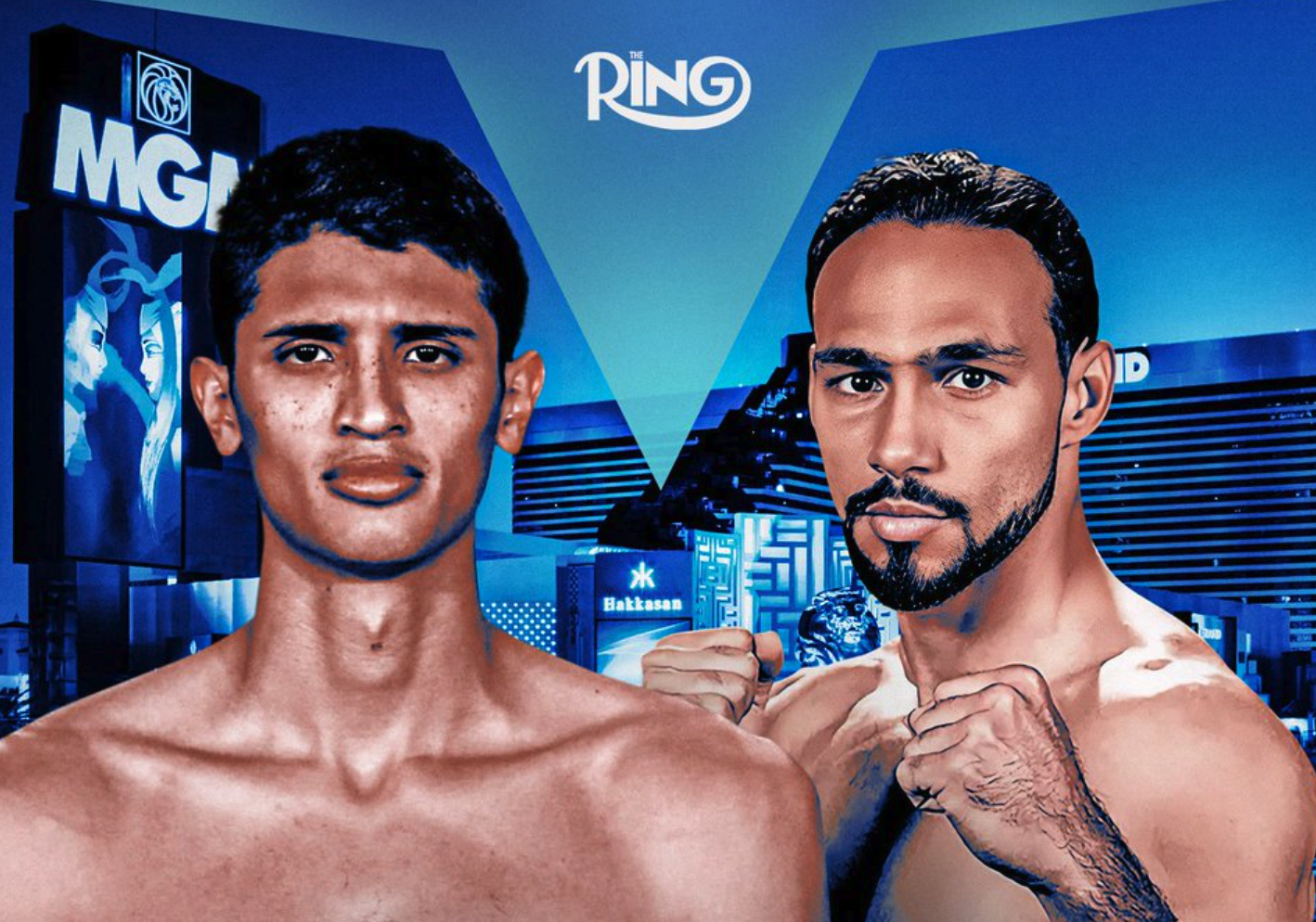 Thurman vs Fundora
Sat, Mar 28 2026
MGM Grand, Grand Garden Arena, Las Vegas, Nevada, USA
Amazon Prime Video PPV
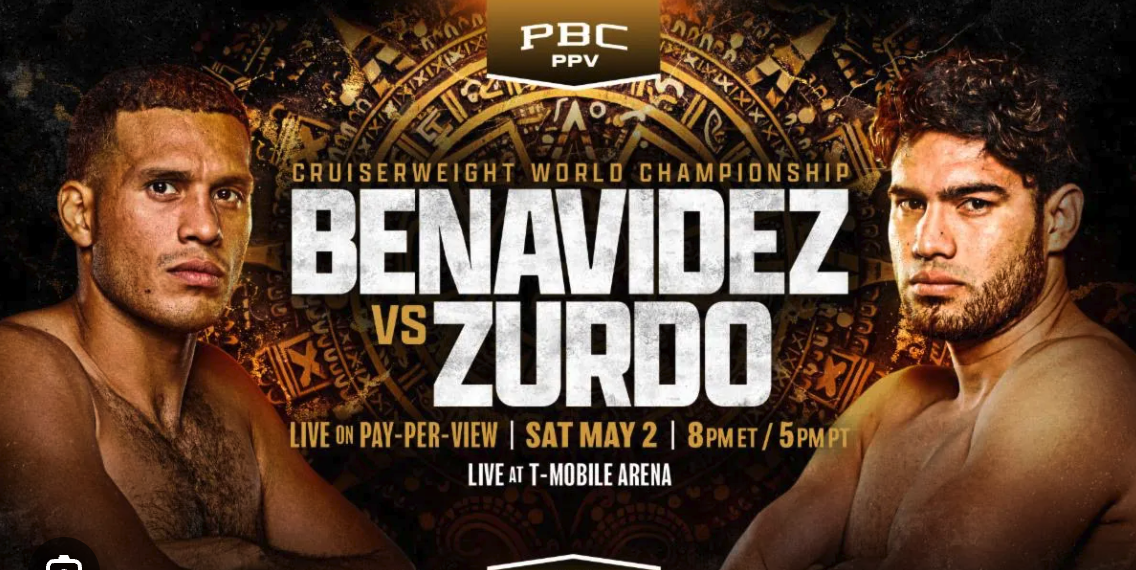 Ramirez Sanchez vs Benavidez
Sat, May 02 2026
T-Mobile Arena, Las Vegas, Nevada, USA
8pm ET Amazon Prime PPV