By Quitano Gonzalez
Thu, Aug 27 2026
Teofimo Lopez Wins at 147: What Comes Next After the Rolly Romero Fight?
Teofimo Lopez has a new title and a new division to call home.
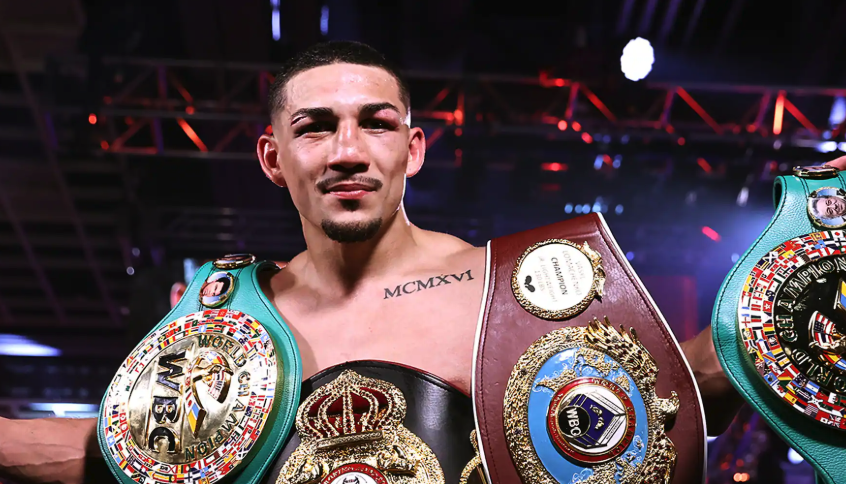
On August 22 at T-Mobile Arena in Las Vegas, Lopez defeated Rolando “Rolly” Romero by majority decision to win the WBA welterweight title. Two judges scored the fight for Lopez, 116-112 and 115-113, while the third had it even at 114-114.
The win made Lopez a world champion in three weight classes. More importantly, it gave us a first look at how he might fit into the welterweight division.
Moving up in weight can make fight week easier, especially for a boxer who has spent years cutting down to a lower limit. But it brings a different challenge: bigger opponents, heavier punches and a new group of fighters to figure out.
For Lopez, the Romero fight was the first test.
The fight was competitive without becoming an all-out war.
Lopez spent much of the night using his jab, movement and combinations to stay active. Romero fought more patiently, looking for opportunities to land the heavier shots.
That approach nearly paid off in the fifth round.
Romero opened a cut above Lopez's right eye and then put together his best attack of the fight. Lopez was hurt during the exchange and went to the canvas, although referee Harvey Dock ruled that he had been pushed rather than knocked down.
Lopez recovered and returned to his game plan.
By the end of 12 rounds, he had simply done more. CompuBox credited Lopez with 124 landed punches compared with 73 for Romero. Lopez also landed 62 jabs, an important part of how he controlled long stretches of the fight.
It wasn't a dominant performance, but it didn't need to be. Lopez was fighting at welterweight for the first time, and he left the ring with the title.
A move to 147 pounds affects more than fight night.
Training camp can change too. Strength work, sparring, roadwork and conditioning all have to fit into the same week, while coaches try to keep a fighter sharp without allowing fatigue to build too far.
The basics of recovery are still simple. Fighters need enough food, good sleep, hydration and easier training days when their bodies need them. Massage, mobility work and cold-water immersion may also be used depending on the athlete and the stage of camp.
For fighters who already include cold water in their routine, an ice bath chiller can make regular sessions more convenient because there is no need to buy and carry fresh bags of ice every time.
It's only one small part of training. The important work still happens in the gym.
Lopez's first fight at 147 showed why that balance matters. A less difficult weight cut may help him arrive feeling stronger, but welterweights can also bring more physical strength and punching power into the ring.
Romero wasn't happy with the decision.
After the fight, he questioned the scorecards and made it clear that he wanted another opportunity against Lopez. His frustration wasn't completely surprising. He landed some of the most noticeable punches of the night, particularly during the fifth round.
The difference was consistency.
Romero spent too much time waiting for a big opening, while Lopez continued to jab, move and score. Over 12 rounds, those smaller moments added up.
That doesn't mean Lopez answered every question about himself at welterweight.
One fight rarely does.
But he showed that his speed and activity can still work against a naturally bigger opponent. How they hold up against the division's other leading fighters is now a much more interesting question.
Another change in modern boxing is that not everything happens inside the gym.
Many fighters now do some of their strength, conditioning or recovery work at home. That might mean a few weights in a garage, a stationary bike or equipment for routines they already use during camp.
Cold-water setups have become part of that picture for some athletes. Brands such as Plunge Chill offer equipment that allows cold-water immersion to be set up at home instead of preparing a tub with ice each time.
Still, equipment is only useful when it fits into a sensible training plan.
For a boxer, knowing when to push hard and when to recover remains more important than any single recovery method.
That's the question boxing fans can now start asking.
Lopez entered the Romero fight coming off a loss to Shakur Stevenson earlier in the year. Instead of staying at 140 pounds, he moved up and immediately won a title in his new division.
There are already several directions his career could take.
Jack Catterall is among the names connected with the WBA title picture, while Romero has publicly asked for a rematch. Bigger fights could also become possible now that Lopez has established himself at welterweight.
Lopez, however, doesn't appear to be rushing into a decision. After the fight, he spoke positively about how he felt at 147 pounds and suggested that he would take some personal time before deciding what comes next.
That makes sense.
His first welterweight fight answered one important question: Can Teofimo Lopez win at 147?
Yes.
The harder question is how far he can go there.
At 29, Lopez has already won world titles at lightweight, junior welterweight and welterweight. The Romero fight may not go down as the most exciting night of his career, but it opened the door to an entirely new group of opponents.
What happens through that door is now the part worth watching.
On August 22 at T-Mobile Arena in Las Vegas, Lopez defeated Rolando “Rolly” Romero by majority decision to win the WBA welterweight title. Two judges scored the fight for Lopez, 116-112 and 115-113, while the third had it even at 114-114.
The win made Lopez a world champion in three weight classes. More importantly, it gave us a first look at how he might fit into the welterweight division.
Moving up in weight can make fight week easier, especially for a boxer who has spent years cutting down to a lower limit. But it brings a different challenge: bigger opponents, heavier punches and a new group of fighters to figure out.
For Lopez, the Romero fight was the first test.
What Happened Against Romero?
The fight was competitive without becoming an all-out war.
Lopez spent much of the night using his jab, movement and combinations to stay active. Romero fought more patiently, looking for opportunities to land the heavier shots.
That approach nearly paid off in the fifth round.
Romero opened a cut above Lopez's right eye and then put together his best attack of the fight. Lopez was hurt during the exchange and went to the canvas, although referee Harvey Dock ruled that he had been pushed rather than knocked down.
Lopez recovered and returned to his game plan.
By the end of 12 rounds, he had simply done more. CompuBox credited Lopez with 124 landed punches compared with 73 for Romero. Lopez also landed 62 jabs, an important part of how he controlled long stretches of the fight.
It wasn't a dominant performance, but it didn't need to be. Lopez was fighting at welterweight for the first time, and he left the ring with the title.
Moving Up Changes More Than the Number on the Scale
A move to 147 pounds affects more than fight night.
Training camp can change too. Strength work, sparring, roadwork and conditioning all have to fit into the same week, while coaches try to keep a fighter sharp without allowing fatigue to build too far.
The basics of recovery are still simple. Fighters need enough food, good sleep, hydration and easier training days when their bodies need them. Massage, mobility work and cold-water immersion may also be used depending on the athlete and the stage of camp.
For fighters who already include cold water in their routine, an ice bath chiller can make regular sessions more convenient because there is no need to buy and carry fresh bags of ice every time.
It's only one small part of training. The important work still happens in the gym.
Lopez's first fight at 147 showed why that balance matters. A less difficult weight cut may help him arrive feeling stronger, but welterweights can also bring more physical strength and punching power into the ring.
Romero Still Had Reasons to Be Frustrated
Romero wasn't happy with the decision.
After the fight, he questioned the scorecards and made it clear that he wanted another opportunity against Lopez. His frustration wasn't completely surprising. He landed some of the most noticeable punches of the night, particularly during the fifth round.
The difference was consistency.
Romero spent too much time waiting for a big opening, while Lopez continued to jab, move and score. Over 12 rounds, those smaller moments added up.
That doesn't mean Lopez answered every question about himself at welterweight.
One fight rarely does.
But he showed that his speed and activity can still work against a naturally bigger opponent. How they hold up against the division's other leading fighters is now a much more interesting question.
Training Is Changing Outside the Boxing Gym, Too
Another change in modern boxing is that not everything happens inside the gym.
Many fighters now do some of their strength, conditioning or recovery work at home. That might mean a few weights in a garage, a stationary bike or equipment for routines they already use during camp.
Cold-water setups have become part of that picture for some athletes. Brands such as Plunge Chill offer equipment that allows cold-water immersion to be set up at home instead of preparing a tub with ice each time.
Still, equipment is only useful when it fits into a sensible training plan.
For a boxer, knowing when to push hard and when to recover remains more important than any single recovery method.
What Comes Next for Lopez?
That's the question boxing fans can now start asking.
Lopez entered the Romero fight coming off a loss to Shakur Stevenson earlier in the year. Instead of staying at 140 pounds, he moved up and immediately won a title in his new division.
There are already several directions his career could take.
Jack Catterall is among the names connected with the WBA title picture, while Romero has publicly asked for a rematch. Bigger fights could also become possible now that Lopez has established himself at welterweight.
Lopez, however, doesn't appear to be rushing into a decision. After the fight, he spoke positively about how he felt at 147 pounds and suggested that he would take some personal time before deciding what comes next.
That makes sense.
His first welterweight fight answered one important question: Can Teofimo Lopez win at 147?
Yes.
The harder question is how far he can go there.
At 29, Lopez has already won world titles at lightweight, junior welterweight and welterweight. The Romero fight may not go down as the most exciting night of his career, but it opened the door to an entirely new group of opponents.
What happens through that door is now the part worth watching.