Saudi Sands Meet Concrete Jungle: Times Square's "Fatal Fury" Fiasco
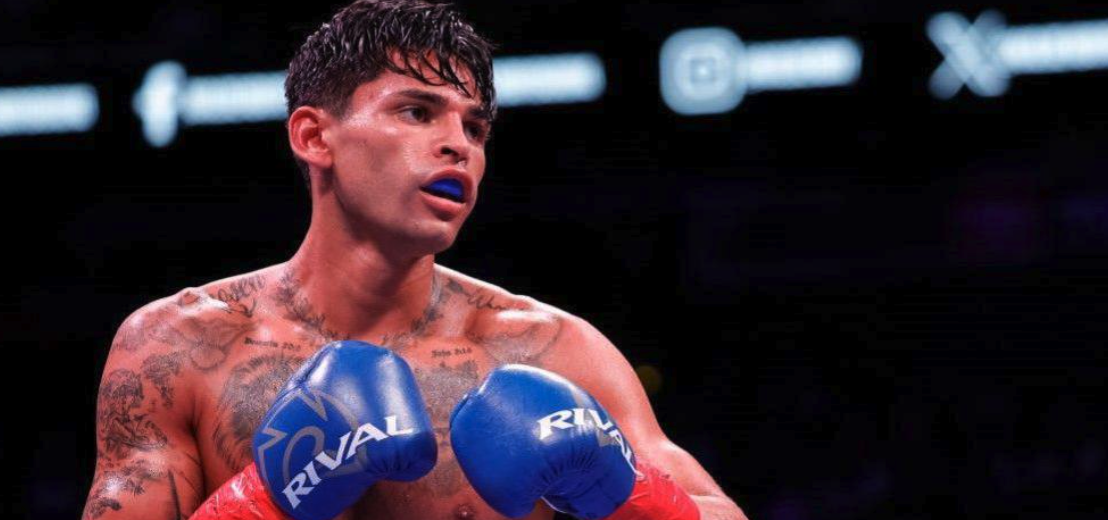
The Saudi boxing machine rolled into Times Square, promising a spectacle that highlighted the clash between ambition and New York's reality. This article discusses how things didn't exactly go according to plan.
On May 2nd, Turki al-Sheikh launched “FATAL FURY: City of the Wolves,” a unique event blending combat sports and gaming culture, backed by SNK Corporation and The Ring magazine. While designed to make a major statement, the event ultimately revealed contradictions, falling short of its grand vision.
Ryan Garcia's Reckoning
The most prominent boxer on the "Fatal Fury" card was Ryan Garcia. "King Ry" boasts a massive 12.1 million Instagram followers and undeniable talent. However, his journey has been marred by personal struggles. Last year, he unleashed a barrage of bizarre conspiracy theories on social media.
More recently, he served a one-year suspension. This ban came from the New York State Athletic Commission. Despite this troubled past, Garcia was on his best behavior during the "Fatal Fury" promotion. At the kick-off press conference, he acknowledged, "This is my first fight to get my respect back."
You Can Bet It Was a Big Fight
And for many boxing fans, especially those in countries where traditional sports betting isn't allowed. Increasingly,
overseas gaming alternatives offer a different kind of engagement with fights like Garcia's. The websites that operate outside national rules allow you to place bets on boxing matches, including prop bets on specific rounds or methods of victory.
Often offering better odds and a wider range of events than state-regulated sportsbooks, they draw fans from around the world to place bets on fights. With such accessibility comes interest in the performance of a fighter and the betting opportunities it offers worldwide, even when they are controversial.
The Concrete Obstacle
The urban landscape of New York City presented a challenge. The city was using something called congestion pricing. This was an attempt to ease the enormous automobile congestion in midtown Manhattan. The "Fatal Fury" event was supposed to block traffic in Times Square. That could easily have caused an enormous traffic jam. The original plan had been for Father Duffy Square.
The plaza, located between 45th and 47th Streets and bound by Broadway and Seventh Avenue, hosted a promotion claiming three championship fights would occur from 5 pm to 7 pm - an unrealistic timeline without early knockouts. Vehicular traffic in the area was set for an indefinite shutdown. When asked in March about this decision, Oscar De La Hoya remarked, "It took a lot of money," underscoring the financial influence involved.
The NYPD’s Stand
The original permit application stated that up to 999 people would be allowed in a restricted ringside area. This included officials, production staff, fighter camps, selected media, and VIP guests. The pedestrian plaza on Broadway, from 45th to 48th Streets, would be closed. An estimated 10,000 to 20,000 people were expected to be within direct sight of the ring.
However, significant pushback emerged. Times Square sidewalks are notoriously crowded on Friday evenings. Tourists, theatergoers, and street performers all compete for space. The "naked cowboy," who draws hundreds of onlookers, exemplifies this constant activity. Within this environment, "Fatal Fury" was viewed by many authorities as a civic inconvenience.
Alliance for Order
The Times Square Alliance (TSA), a charitable corporation, plays a crucial role in managing the area. Founded in 1992, its mission is to "improve and promote Times Square." The TSA oversees numerous outdoor events each year, with the New Year’s Eve ball-drop being the most prominent.
The TSA was open to the idea of fights in Times Square. However, they prioritized the interests of their members. TJ Witham, the TSA’s vice president for communications, explained their stance. He noted that the Alliance works closely with the city and its agencies. Their goal is to ensure smooth operations and continued neighborhood accessibility during events.
The Shifting Sands of Permits
No event of this scale had ever taken place in Times Square. The area presented a complex logistical puzzle. It was unlike staging a Super Bowl half-time show, which uses a contained area for rehearsals and performance. This project demanded innovative solutions. It was a continuously evolving undertaking.
Ed Pereira, CEO of iVisit Media, was the point person for the promotion. His company, a global marketing and event-planning firm, was retained by Turki Al-Sheikh to coordinate the production. His guiding principle was clear: “His Excellency wants this done. Find a way to do it.” An intricate web of permits had to be secured. Numerous New York City government departments and agencies needed to approve the project.
The NYPD, the Mayor’s Office for Media and Entertainment, and the Street Activity Permit Office played particularly significant roles. Pereira acknowledged the city officials were "cooperative but firm." He must have faced immense pressure.
The Real Story
The event showcased impressive logistics but prioritized hype over genuine spectacle. Turki al-Sheikh is considering two more fight cards in New York, with potential venues like Central Park and Brooklyn, and even Alcatraz and Mount Rushmore being discussed.
Access was limited to a select few, making boxing feel different from those big events with crowds. The pay-per-view card cost $59.99, raising questions about boxing shifting from a public spectacle to a pricey experience for the elite. Unlike the free New Year’s Eve celebration in Times Square, boxing seems to have turned into an expensive affair for just a handful of people.
Share this story
News
-
Tyson Fury Tune Up Bout Announced
Thu, Jul 02 2026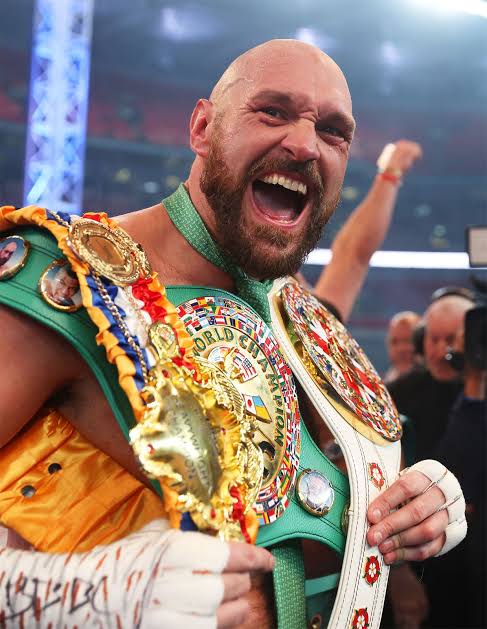
-

-
Boots Ennis Survives Scare, Crushes Zayas With TKO
Sun, Jun 28 2026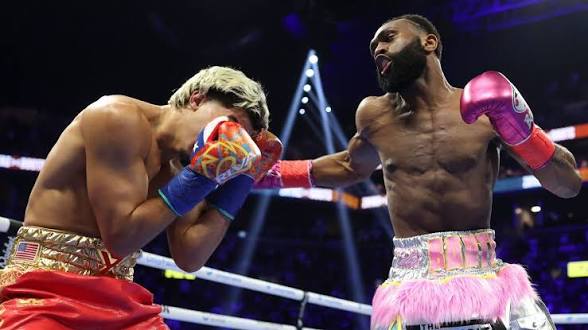
-
WBA Orders Floyd Schofield vs Lucas Bahdi
Sat, Jun 27 2026
-
Oleksandr Usyk Vacates Titles Amid Final Fight
Sat, Jun 27 2026
-
Zayas vs. Ennis Preview: Two Unbeaten Champions, One Title, and a 154-Pound Division About to Be Defined
Fri, Jun 26 2026
-
Top 5 Undefeated World Boxing Champions in History: Were the Odds Always in Their Favor?
Fri, Jun 26 2026