The Last Son of a Legend: What Chávez Jr.’s Defeat Means for Mexican Boxing
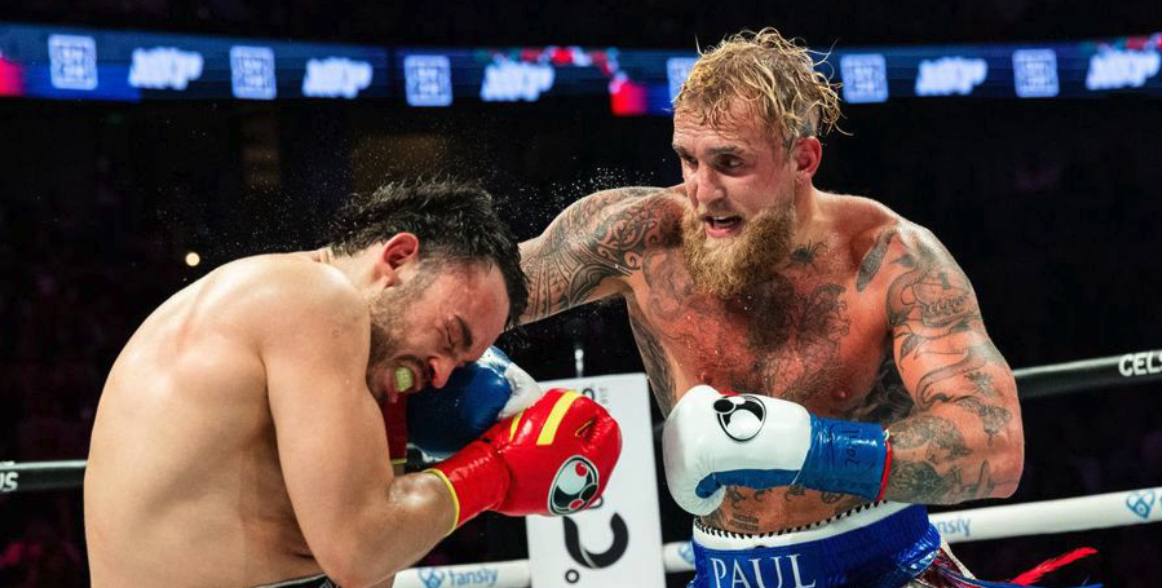
Jake Paul's victory over Julio César Chávez Jr. wasn't just another celebrity boxing stunt. It marked the quiet collapse of a legendary lineage and a signal that the sport is changing for good.
Jake Paul’s latest win has the boxing world talking and not just because of who he beat. Taking a unanimous decision over Julio César Chávez Jr., the son of one of boxing’s greatest champions, wasn't just a career milestone for Paul. It was a cultural moment that highlighted how far the sport has shifted.
Chávez Jr., once seen as a natural heir to his father's greatness, came into the fight with fading respect and a mixed professional record. Paul, on the other hand, brought in a crowd of fans more familiar with streaming and social media than HBO pay-per-views. And perhaps more tellingly, he brought in a betting public that isn't gambling the old-fashioned way. Crypto-based platforms tied to top bitcoin casino sites saw a spike in user activity leading into the bout, a sign that fans are now engaging with boxing through fast, flexible digital tools. This fight wasn't just watched. It was streamed, discussed, clipped and bet on across several platforms, in real time.
That kind of interaction is part of what makes Paul such a relevant figure in today’s boxing landscape. The traditionalists may cringe, but he's playing a different game... and he's winning.
The end of the Chávez myth
Julio César Chávez Jr. never asked to be a national symbol, but he became one by default. Carrying a name that defined Mexican boxing for decades, he entered the sport with more eyes on him than most fighters ever see. And early on, he showed flashes of real skill. He even won a middleweight world title. But that fire never seemed to last.
His loss to Jake Paul wasn't a shocking technical breakdown. It was a long time coming. Years of poor training habits, lack of discipline and uninspired performances led to this moment. Chávez Jr. looked flat in the ring. Paul looked prepared. It was that simple.
What stung most for longtime fans wasn’t just the loss. It was the symbolism. This wasn’t just a Paul win. It was a Chávez loss, the last straw in a career that never quite lived up to its promise. It felt like watching the final collapse of a name that once carried weight like no other.
There were no excuses afterward. Chávez Jr. looked beaten in every sense of the word. His father, reportedly heartbroken, left the arena quickly and without comment. For a man who once stood for Mexican pride and resistance, seeing his son lose like this, on this stage, must have been brutal.
Paul isn't a joke anymore
There was a time, not long ago, when most people considered Jake Paul’s boxing career a vanity project. He fought ex-MMA guys and basketball players. It all seemed like entertainment. But then he started training like a real fighter. He hired serious coaches. He took fights against guys with actual boxing experience. And with this win, he’s beaten someone who, flawed as he is, once held a legitimate world title.
Chávez Jr. may not be the fighter he once was, but he was still a far more experienced boxer than Paul. And he lost every round.
It’s getting harder and harder to dismiss Paul’s progress. His defense has tightened up. His footwork has improved. He’s controlling range better. He may not be elite yet, but he’s clearly been putting in the work and he’s no longer relying on spectacle alone to carry him. This wasn’t a circus act. It was a calculated performance and he executed it cleanly.
The legacy gap is now a canyon
What’s become clear is that boxing can no longer run on nostalgia. The Chávez name once inspired awe. Now, it inspires uncomfortable silence. That’s not just Chávez Jr.'s fault. The sport itself has failed to guide its legends into the modern age. It’s clung to old names, recycled rivalries and outdated marketing while younger fighters with charisma and digital savvy—like Paul—fill the vacuum.
There’s something tragic in that. Not because Paul is bad for the sport, but because it didn’t have to be this way. With better management and more hunger, Chávez Jr. could have been a bridge between generations. Instead, he became a cautionary tale.
Now, Paul is the one creating headlines, attracting new fans and reshaping how boxing fits into the broader entertainment world. His fights aren’t just watched; they're interactive experiences, especially for a younger, crypto-savvy demographic that isn’t watching ESPN on cable. They're live-bet, clipped for TikTok and dissected in real-time by fans who care less about legacy and more about energy.
Boxing’s future is being decided right now
There’s still room in the sport for legacy. But legacy doesn’t win fights. Dedication does. Preparation does. And whether people like it or not, Jake Paul is showing more of both than many fighters with longer résumés and bigger gym pedigrees.
Chávez Jr.'s story might be winding down now. It's unlikely he’ll return in any meaningful way. He has taken too many steps backward and this latest loss may be the last one that gets him on a main card. For his father, for the fans who grew up watching him, it's a sad note to end on.
Meanwhile, Paul is already looking ahead. He’ll have critics no matter what, but each fight makes them harder to hear. He’s getting better. He’s fighting smarter. And most importantly, he’s winning. If the old guard doesn't want to accept that, it might be because they’re not ready to admit what boxing has become.
Not everyone likes the direction the sport is going, but this fight made one thing obvious: it's moving with or without your approval.
Share this story
News
-
Tyson Fury Tune Up Bout Announced
Thu, Jul 02 2026
-

-
Boots Ennis Survives Scare, Crushes Zayas With TKO
Sun, Jun 28 2026
-
WBA Orders Floyd Schofield vs Lucas Bahdi
Sat, Jun 27 2026
-
Oleksandr Usyk Vacates Titles Amid Final Fight
Sat, Jun 27 2026
-
Zayas vs. Ennis Preview: Two Unbeaten Champions, One Title, and a 154-Pound Division About to Be Defined
Fri, Jun 26 2026
-
Top 5 Undefeated World Boxing Champions in History: Were the Odds Always in Their Favor?
Fri, Jun 26 2026